I still remember my first time in front of a classroom.
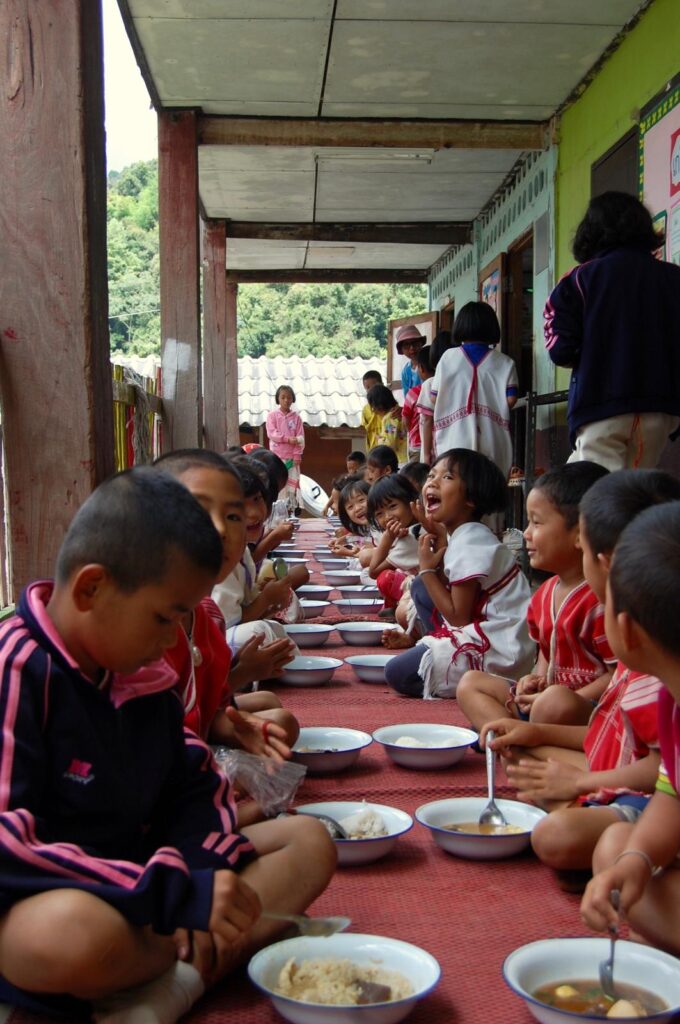
When I was 17 years old, I spent some time living in a small rural village in the mountains above Chiang Mai, Thailand. Here, humble wooden homes sat on stilts, decorating the green hills. A single, large, black pig rooted in the shade under most of these homes – kept not as a pet, or food, but as a symbol of good fortune. Small dirt paths connected homes to one another in this jungle landscape, connecting homes to the small store, and to the school. The only car I saw during my time here was the one we arrived in, this was a town of bikes. Sometimes children no older than 12 whipped along the narrow dirt paths, leaving one-tire tracks in the mud beneath them.
Many of the men and women of this village had spent their entire lives here, just as their parents, and grandparents, and grandparents before them had. They were indigenous Thai, and this land had been their home for thousands of years. Missionaries introduced them to Christianity in the mid-20th century and a small blue church still sat atop the tallest hill in the village, a vestige from many years ago. It wasn’t used much anymore – blue paint peeled to reveal white cement below, and plastic trash littered the lines where the building met the earth. These days, stray dogs used this place more than people. Despite its decay, it still served as a safe place with shade during hot days, and cover during rainstorms.
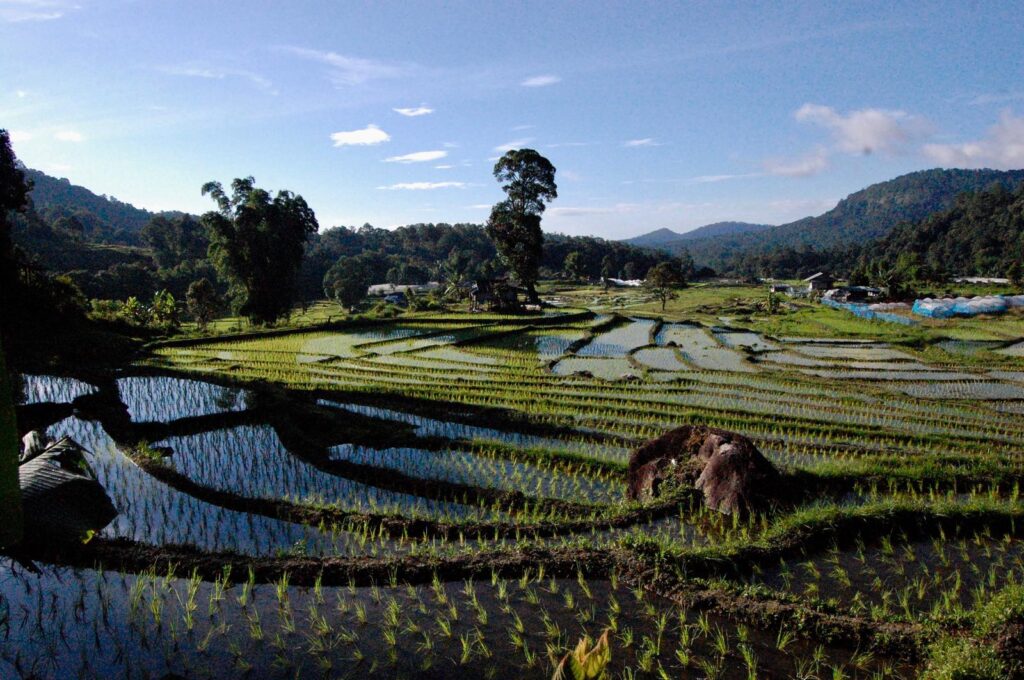
It was rainy season. And with the rain, came the rice. The paddies were empty when I first arrived – glassy pools of water tiering the hillside, mirrors of the jungle around them. But as days went on, men and women walked the fields, barefoot, with their pant legs rolled above their knees, and wide-brimmed hats tied to their heads or hung from their shoulders. They fastened bunches of tall rice grass to their waists and moved slowly through the water, taking great care to press each stalk gently into soft earth, one by one. This process took hours, and days, but they were well practiced having done this all their lives and their figures moved with a certain grace.
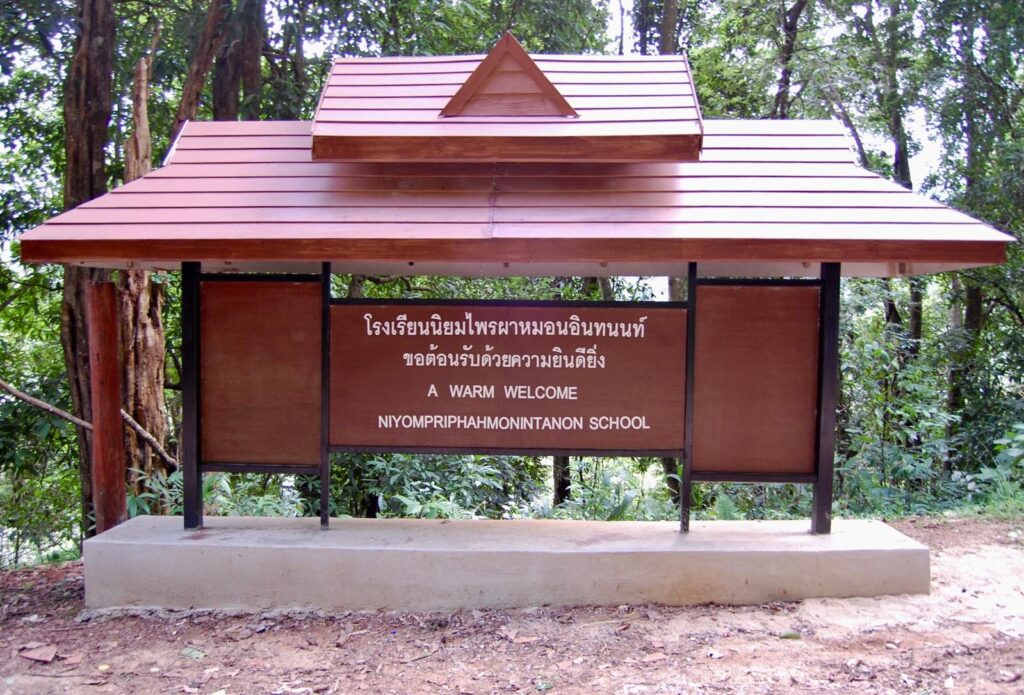
As the rice paddies filled, I began my work with the local school. I was visiting on a volunteerism trip alongside several other American teenagers. We were there to help with improvements in the schoolyard. The previous rainy season had caused damage to their drainage system and the schoolyard was flooding whenever heavy rains came, leaving the children with nowhere to play in between classes. We were there to fix that.
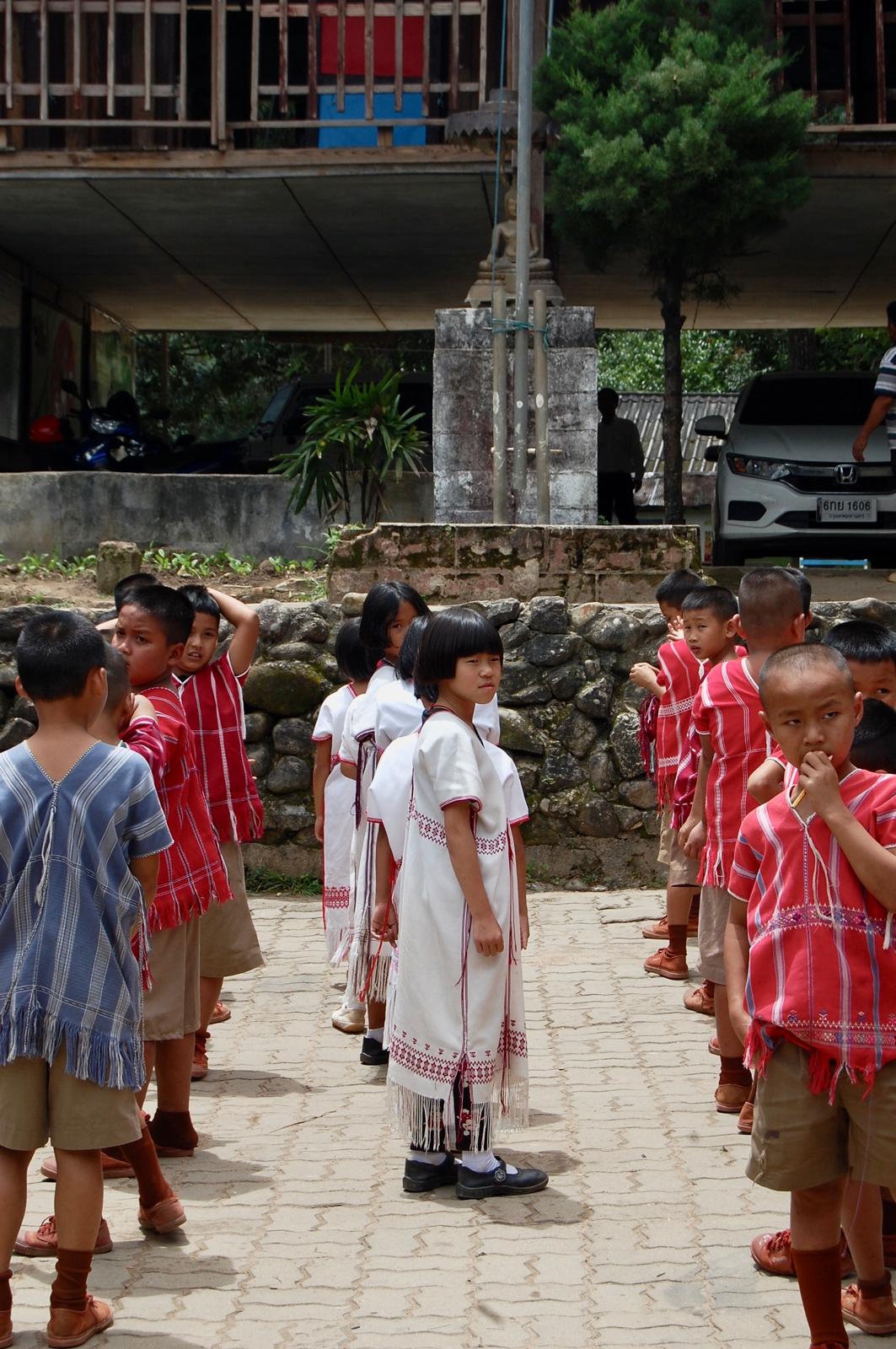
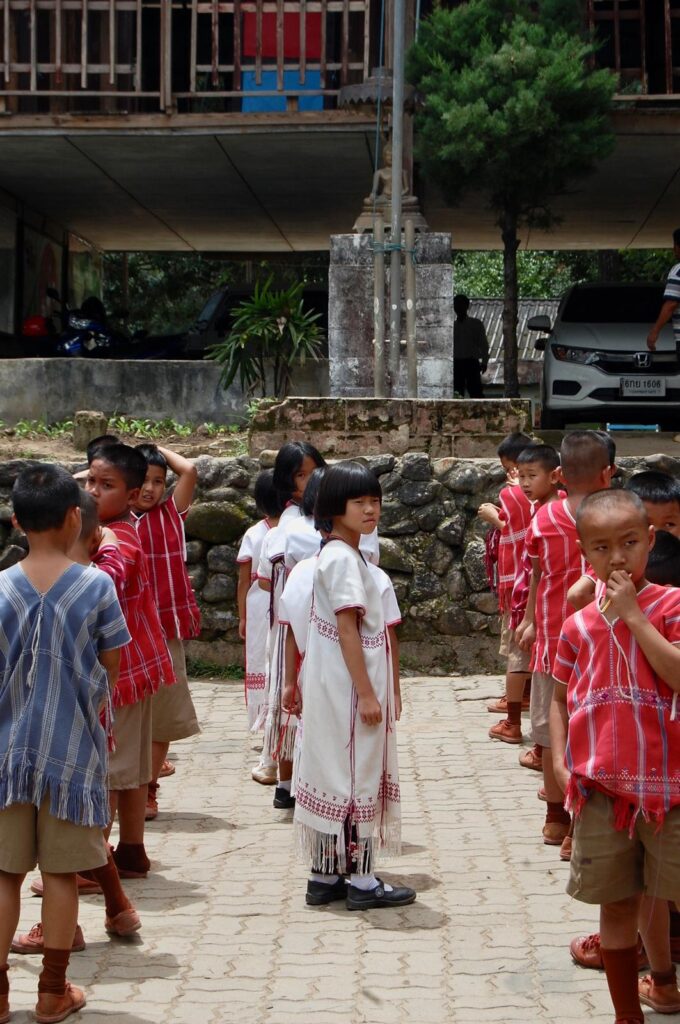
One morning, shortly after our arrival, I woke early with the sun and dressed accordingly for a day of hard work outside. Stepping out of the mosquito net that covered my mattress, I put on lightweight work-pants – the kind that zip off at the knee in case you get too hot – a T shirt, and boots. We ate a quick breakfast of fruit and greeted the children as they arrived to school. They all beamed with big smiles as they entered in red uniforms and orange tennis shoes. Their morning routine was this: arrive to school, play in the schoolyard until the bell rang, then gather with their class and teacher. Every morning, each class stood in an orderly line with their peers and teacher in the yard while the head of the school made morning announcements. After announcements had been made, the head of the school asked for one volunteer student to stand before the school and lead us all in the Thai national anthem. So, everyday, we stood as the children sang, all our eyes gazing upon the flag dancing quietly in the wind at the top of the flagpole.
On this particular day, I joined my volunteer group after morning announcements, expecting to be put to work wheelbarrowing dirt from one place to another, or digging a trench. But suddenly, there was a change in plans. The head of the school asked me to teach an English class instead. I agreed joyfully. I’ve always enjoyed working with children – as the eldest of three sisters, being a good leader to young minds is something that has been important for me to learn.
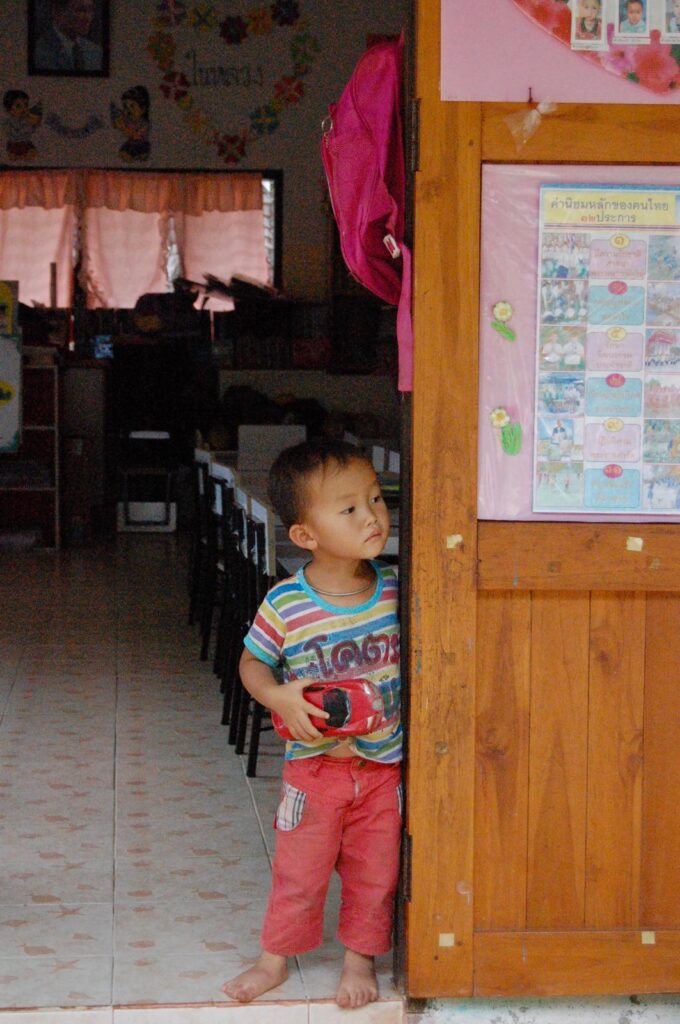
I followed the head of the school happily to the classroom. He introduced me to my class which was made up of at least 10 first grade students – five and six years old. They ran wild with excitement when I stepped into the classroom, wrapping their arms around my legs and showing me all sorts or random objects – books, drawings, pens. After a moment, the head of the school smiled at me, stepped out, and shut the door behind him. I suddenly realized – I had no idea how to teach an English lesson.
Panic coursed through my body as I made my way to the front of the classroom. What was I going to do? These children spoke no English. I spoke no Thai. The only teaching experience I had was ski and swim lessons – and right now, looking upon the 10 Thai children staring at me expectantly, that didn’t seem helpful. Despite my nervousness, I put on a brave face and tried my best at a convincing smile. Inside, I was scrambling.
The first thing I did was introduce myself.
“Hi everyone! My name is Sophia! What is your name?” I overcompensated with excitement to hide the fact that I was wildly out of my depth.
Quiet, blank faces stared back at me. No one understood a word I said.
I knew these faces, though. In fact, I had worn the very same blank stare not many years prior. At age 12, my mother, my sisters, and I moved to Paris, France and my mom enrolled me in a French public school. For ten months, I was expected to succeed academically in a language that was not my own. The first three months were the hardest. Everyday, people spoke to me and I did not understand – in those moments, there was simply nothing else to do but stare blankly in response. Miraculously, however, three months passed and things started clicking. Before long, I was fluent in French.
I can do this, I reminded myself, I’ve been on the other side of this before.
I repeated my question, but slower this time.
“Hi!” I said slowly with a wave.
“My name,” I pointed to myself, “is Sophia.”
“What is,” I raised my arms in question, “your name?” I pointed at a girl sitting in the front row.
“Mai.” The girl said with a sweet smile.
The rest of the class introduced themselves after Mai, and by then I felt like I was getting the hang of things. Using a short piece of white chalk I wrote the alphabet on the board and one-by-one we reviewed the letters, I said them first and the class repeated after me. For the next hour we practiced letters and sang the alphabet and spelled simple words like “dog” and “cat,” accompanied, of course, with drawings on the chalkboard.
By the time my hour was up, I wished we had had more time. Together, we created a space where information was flowing in all directions. Everyone in that classroom was learning, myself included.
I continued teaching lessons for the remainder of my time in that small village and over the course of those weeks, my students’ learning was exponential – as it often is at that age. We learned the alphabet, numbers, greetings, and simple phrases. By the time I left, my students were speaking more English than most other students at the school. I was so proud.
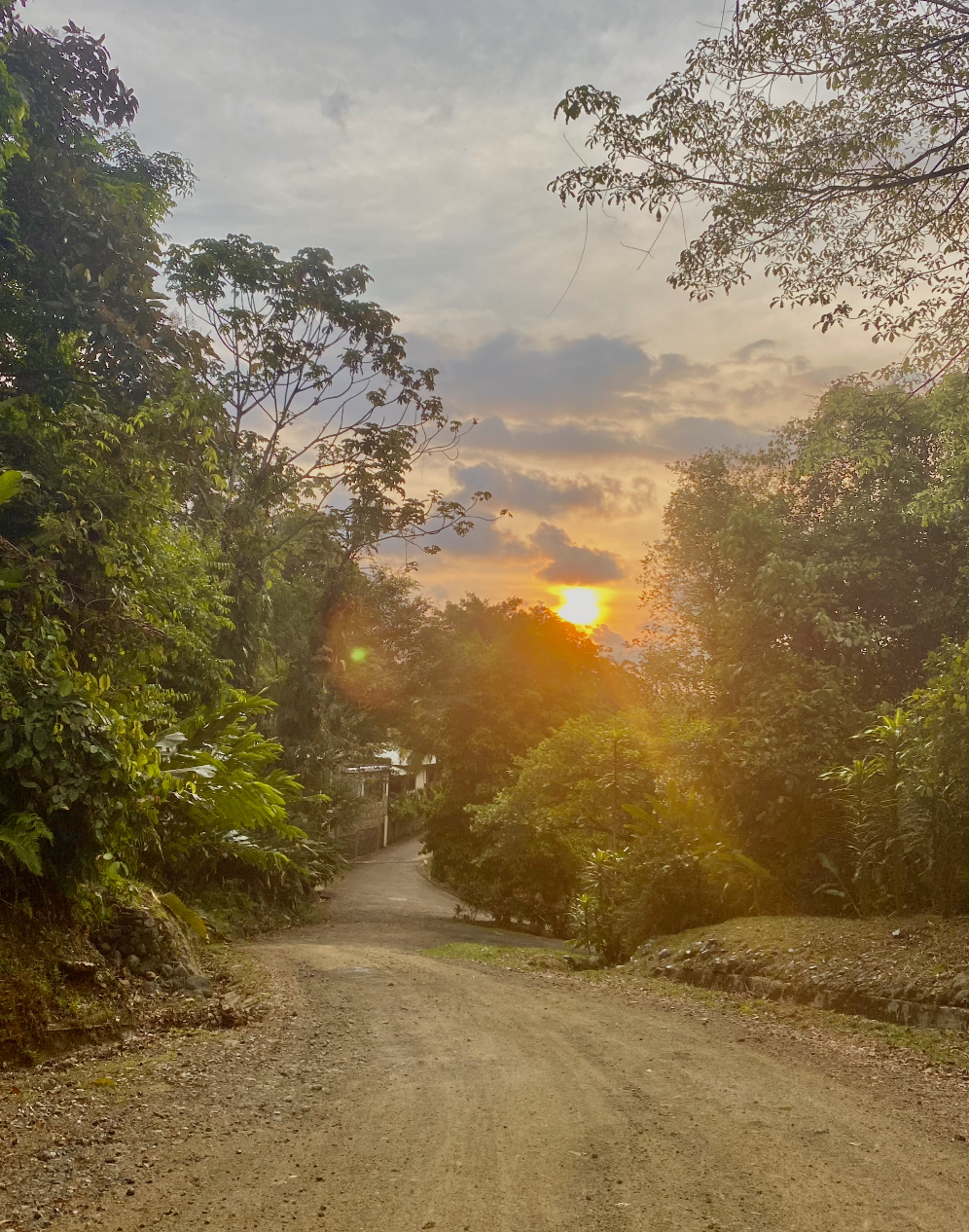
Since then, I’ve found myself in front of many different classrooms. I volunteer-taught English at elementary schools with dirt floors in Cambodia, I taught teachers at Friendship Village in Vietnam, and I assistant taught in a small elementary school in Indonesia for several weeks. In my hometown in the United States, I taught adult immigrants English, and most recently, I moved to Costa Rica where I am a full-time teacher of fourth and fifth grade, not only in English, but also Math and Science. My journey into the world of education has lasted many years and I’ve crossed paths with many lives along the way.
And it all began in that small, rice village in Northern Thailand with ten Thai children who taught me that I can do this.


Leave a Reply
You must be logged in to post a comment.